Resources
Frequently Asked Questions
Answers to the most common questions about the work, the pricing, the process, and what to expect.
Answers to the most common questions about the work, the pricing, the process, and what to expect.
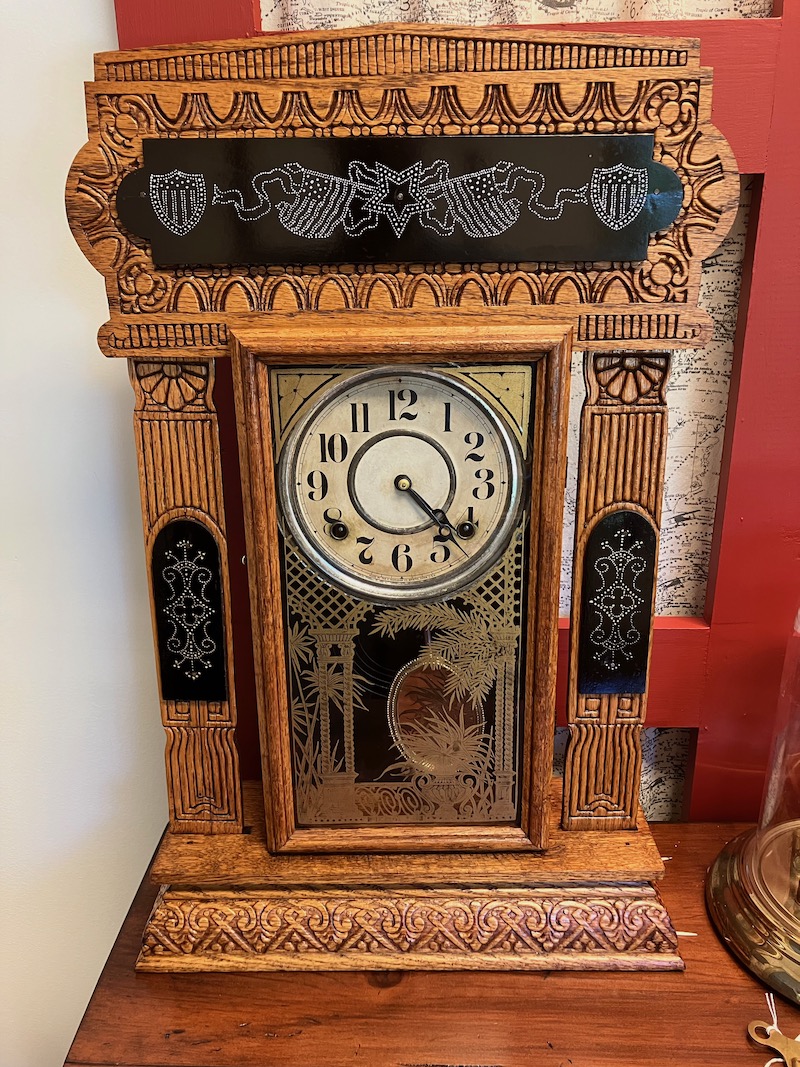
The Atelier restores mechanical clocks only: clocks powered by human winding, weight-driven or spring-driven, governed by a pendulum or balance wheel. This includes grandfather and longcase clocks, mantel and shelf clocks, Vienna regulators, wall clocks, school and schoolhouse clocks, and anniversary and torsion clocks.
We do not service watches or pocket watches, nor battery, electric, quartz, or motorized clocks. For those, a different specialist is the right fit. If you are not certain which category your clock falls into, describe it in the inquiry form and we will let you know.
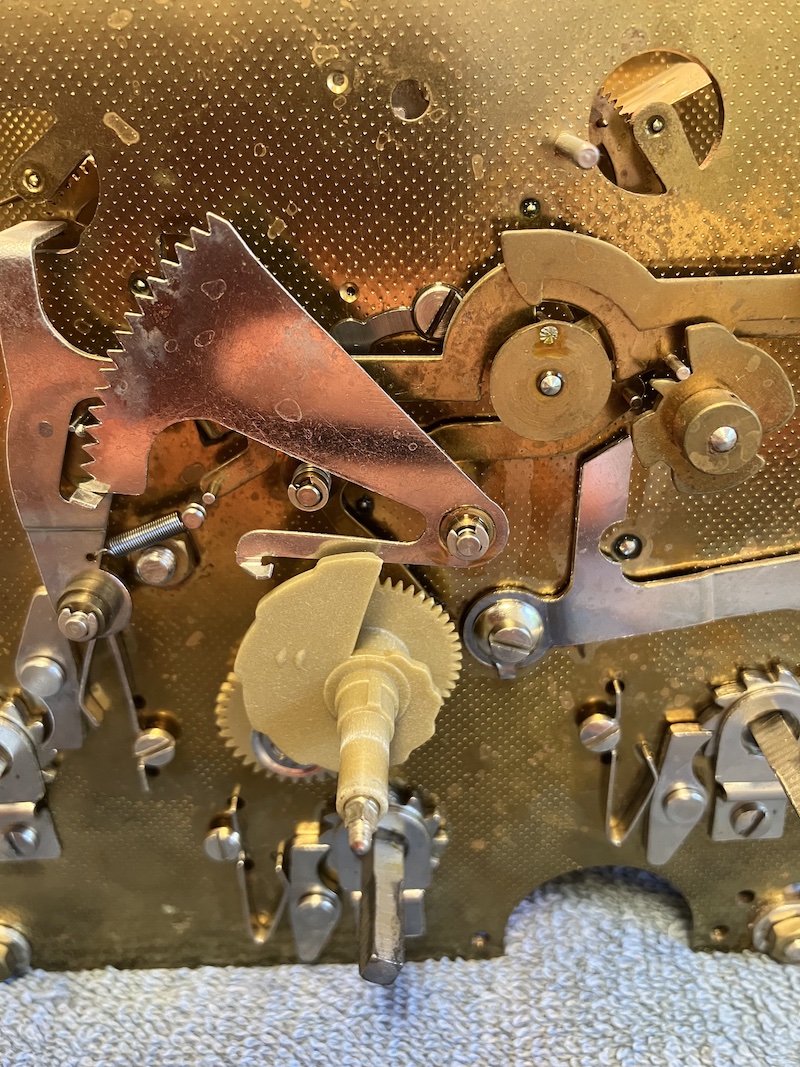
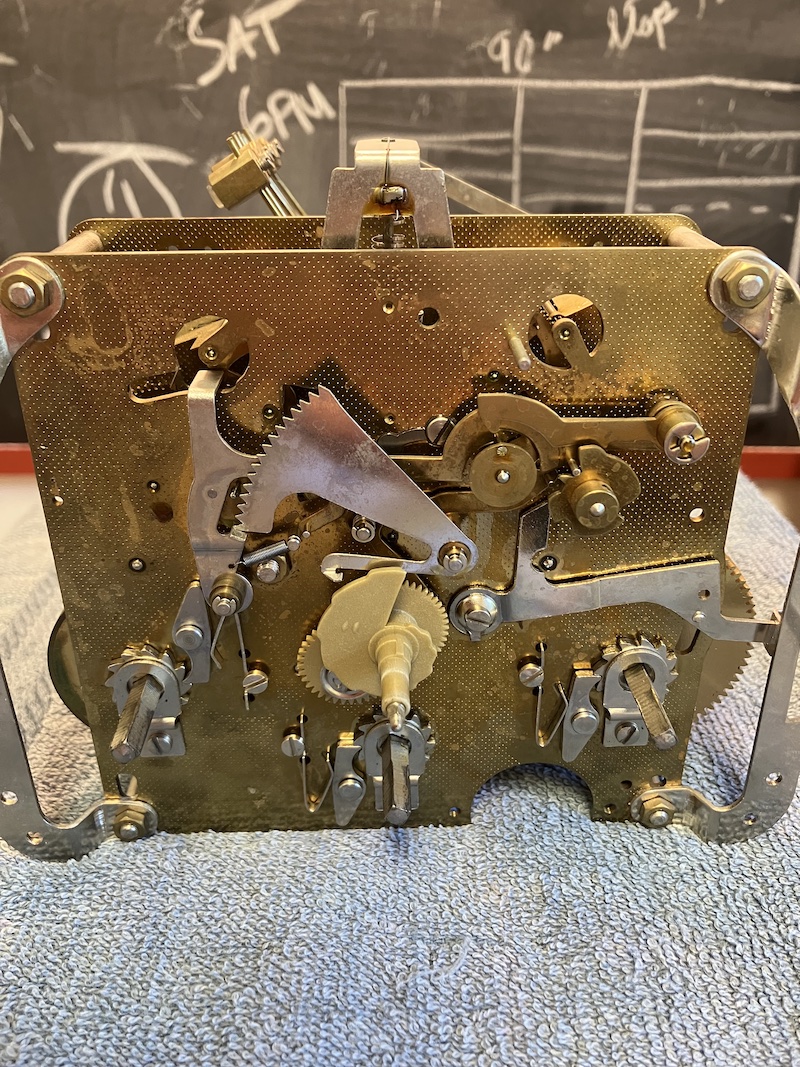
Every movement serviced at The Timekeeper Atelier is disassembled down to every individual component: every gear, every pinion, every jewel, every spring, every screw. The plates come apart. Every piece is cleaned ultrasonically or by hand. Worn mainsprings are replaced as standard practice, not an extra. The movement is inspected, adjusted, and reassembled to tolerance.
This is different from an oiling service or a surface clean, which may keep a clock running for a year or two before the underlying wear reasserts itself. A complete restoration done right should last decades.
Yes. House-call service is available across Eastern Kentucky, Southern West Virginia, and Southwest Virginia. Grandfather clocks and large longcase clocks should not be moved for service. Ryan comes to the piece for these, performing a complete service in your home.
In-home service is also available for any client within the service area who prefers it. A house-call fee applies and is discussed at intake. Extended travel beyond the immediate Pikeville region is accommodated and quoted separately.
Yes, for shippable mechanical clocks. Mantel clocks, shelf clocks, and smaller wall movements are candidates for mail-in service. Before you ship anything, contact us first. Ryan will confirm the clock is appropriate for mail-in service and provide packing guidance. Improperly packed movements arrive damaged.
Grandfather clocks and large floor clocks are not candidates for mail-in service. For those, in-home service is required.
Clock restoration is priced per project. A starting estimate is provided at intake based on your description, the movement type, and the visible condition of the piece. The true scope of the work becomes clear only after the movement is disassembled and every component inspected.
If disassembly reveals work beyond the initial estimate, you are told exactly what was found and what it costs before that work proceeds. You decide. No additional work is performed without your approval.
Turnaround depends on the movement, the parts required, and current shop volume. Simple movements with available parts may complete in a few weeks. Complex movements, or those requiring hand-fabricated parts, take longer. Ryan provides a realistic timeline at intake and communicates clearly if anything changes during the work.
The work takes the time it takes. The Atelier does not manufacture urgency or cut corners to hit a shorter schedule.
When a part no longer exists in commercial supply, Ryan fabricates it by hand at the bench. This is not a rare occurrence with antique movements. Fabricating a replacement part is standard practice, not an exceptional service, and it is included in the estimate when required.
The answer depends on the piece and what it means to you. A clock with family history or collector significance is almost always worth restoring. A common movements with no particular provenance may or may not be, depending on what restoration costs relative to its value.
The consultation service exists for exactly this question. Submit a description and photos and Ryan will give you an honest answer about whether the piece is worth the investment before any commitment is made.
Use the inquiry form on the Contact page. Describe the piece, its visible condition, and what you need. Photos help. Ryan reviews every inquiry personally and responds within one business day with a starting estimate and a clear explanation of the service.
Yes. The curator and consultation service is well suited to collectors who want expert input on specific pieces or an entire collection. Ryan is also available for pre-purchase assessments, where you describe or photograph a piece you are considering and he gives you an honest read on its condition and restoration viability before you commit.
The Atelier works with estate attorneys, probate professionals, antique dealers, and executors who need a trusted craftsman to assess, identify, and evaluate heritage pieces before dispersal or sale. This falls under the curator and consultation service. Contact us directly to discuss scope and scheduling.
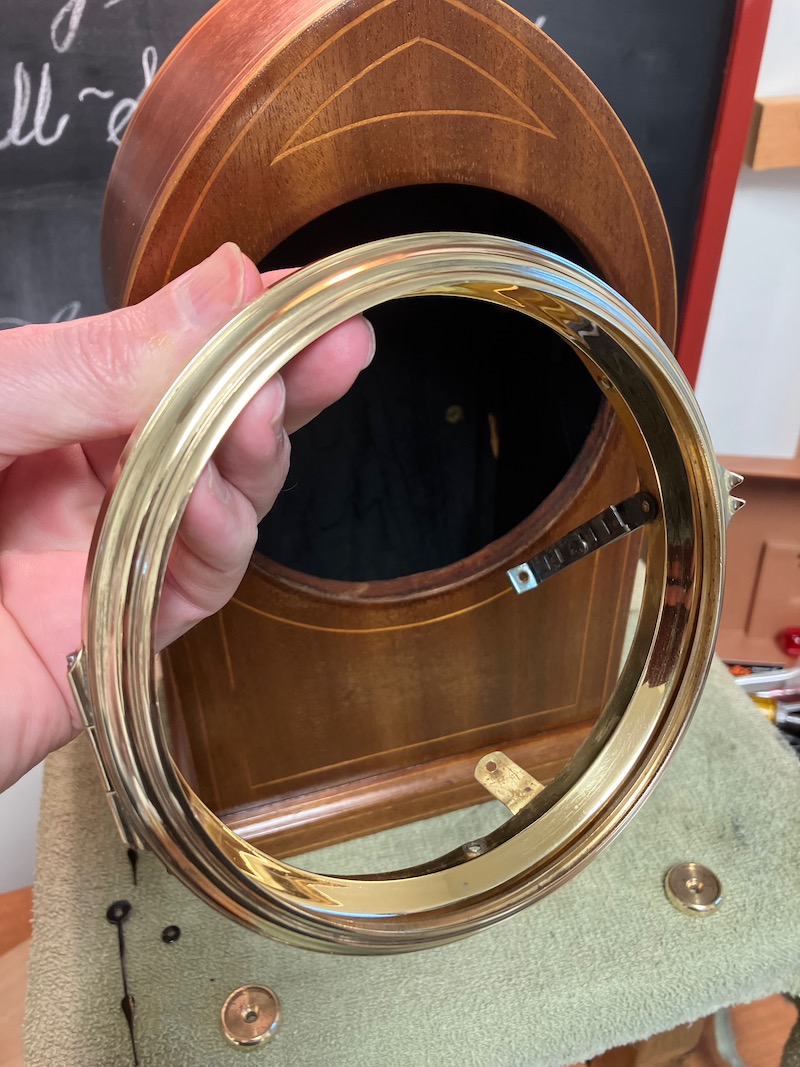
Most people who reach out have no idea what is wrong or what it will cost. That is the normal starting point, and a straight conversation is where it begins.
Use the inquiry form and describe what you have. Every inquiry is reviewed by Ryan personally.
Contact the Atelier